Journal
Dried Fruit in Kenya: Marketplace vs. Buying Direct
By Martin Kilombe, Founder
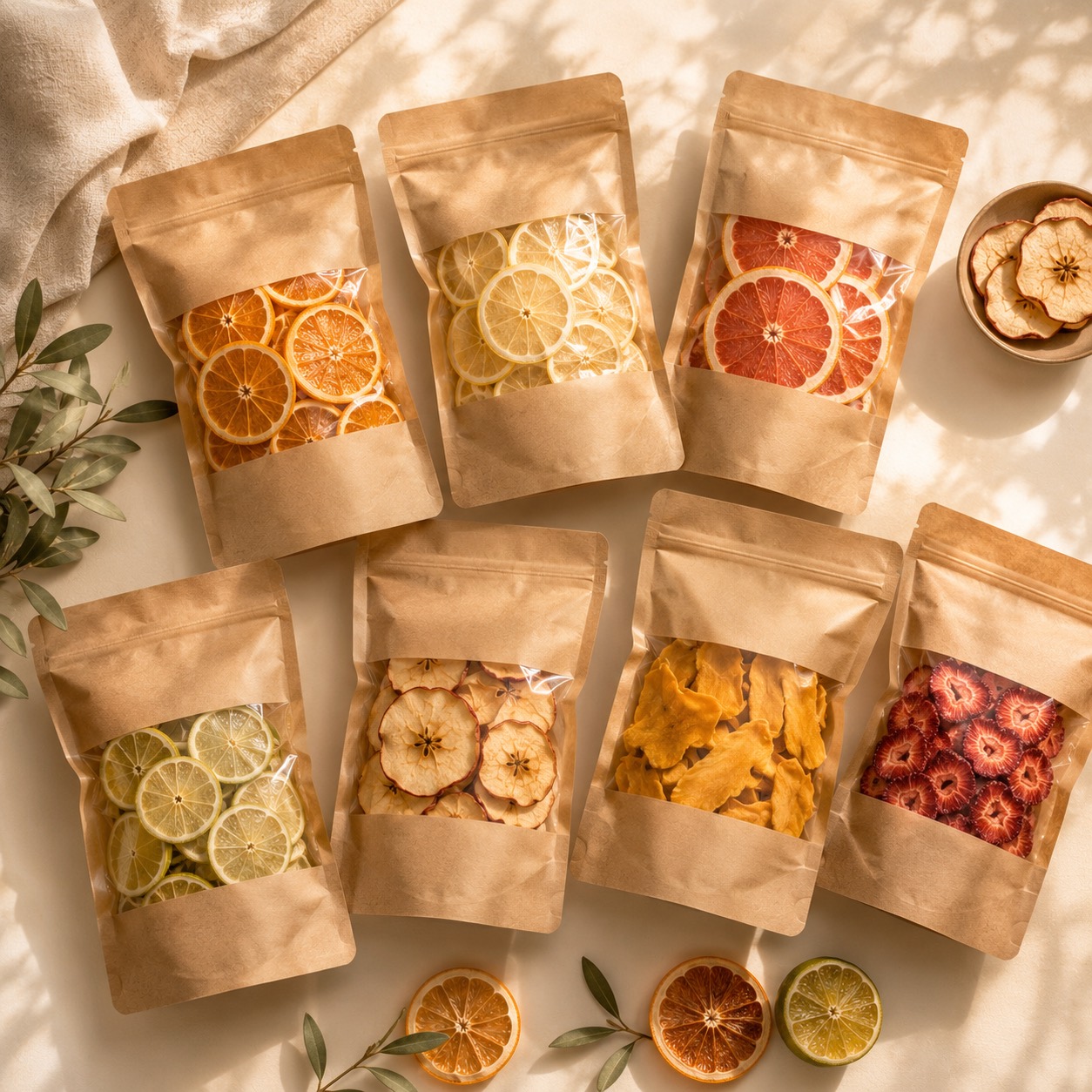
Search "dried fruit Kenya" and you'll get marketplaces, supermarkets, and bulk wholesalers before you get anyone who actually dried the fruit themselves. That's not a criticism of those platforms; they're solving for convenience and reach, which is genuinely useful. But it's worth knowing what you're trading for that convenience, because it isn't nothing.
What a marketplace is actually optimized for
A general marketplace listing is optimized for browsing and price comparison, not for telling you how the fruit was dried, how long ago, or under what conditions. Multiple brands often sit on the same page with near-identical descriptions, and the seller rarely grew or dried anything themselves. That's fine for some categories. For a product where the drying method changes the color, aroma, and texture of what you're buying, it means you're mostly choosing based on price and photos, not the thing that actually determines quality.
What changes when you buy direct
Buying direct from a producer means three things change in practice:
- Traceability. You can ask when a batch was dried and get a real answer, not a guess.
- Freshness of stock. Direct orders tend to move faster from dehydrator to pouch than fruit sitting in a marketplace warehouse or on a supermarket shelf for weeks.
- A real point of contact. If a batch doesn't meet the usual standard, there's someone accountable to hear about it, not a storefront with a generic returns policy.
None of this means marketplaces are the wrong choice for everyone. If you need something today and convenience matters more than sourcing, that's a legitimate trade to make. But if quality and consistency matter, especially for gifting or for a venue that's serving the same garnish to guests every night, direct sourcing gives you more control over what you're actually getting.
Questions worth asking before you buy, wherever you buy from
A few questions cut through most of the marketing copy, on a marketplace listing or otherwise:
- When was this actually dried? A specific answer is a good sign. A vague one ("always fresh") usually means nobody's tracking it closely.
- Does the seller dry it themselves, or repackage someone else's stock? Neither is automatically disqualifying, but you should be able to get a straight answer either way.
- What's actually in the ingredient list? "Dried fruit" that lists sugar, sulphites, or preservatives is a different product than fruit dried with nothing added, even if both are labelled similarly on a shelf.
How we handle it
We sell direct, by pouch or jar for home use and by volume for wholesale, and every order ships from the same batch selection and drying process we cover in where our citrus is grown and dried. If you want the full picture on shelf life, storage, and how to use what you've bought once it arrives, the complete guide to dehydrated citrus and dried fruit in Kenya covers all of it in one place.
The short version: know what you're actually buying, wherever you buy it from. Price and photos aren't a substitute for knowing how a piece of fruit was dried.
Bring Preserved
Sunshine to
Your Own Table
Ready to bring preserved sunshine to your own glass, table, or venue?