Journal
Why We Don't Add Sugar or Preservatives to Our Dried Fruit
By Martin Kilombe, Founder
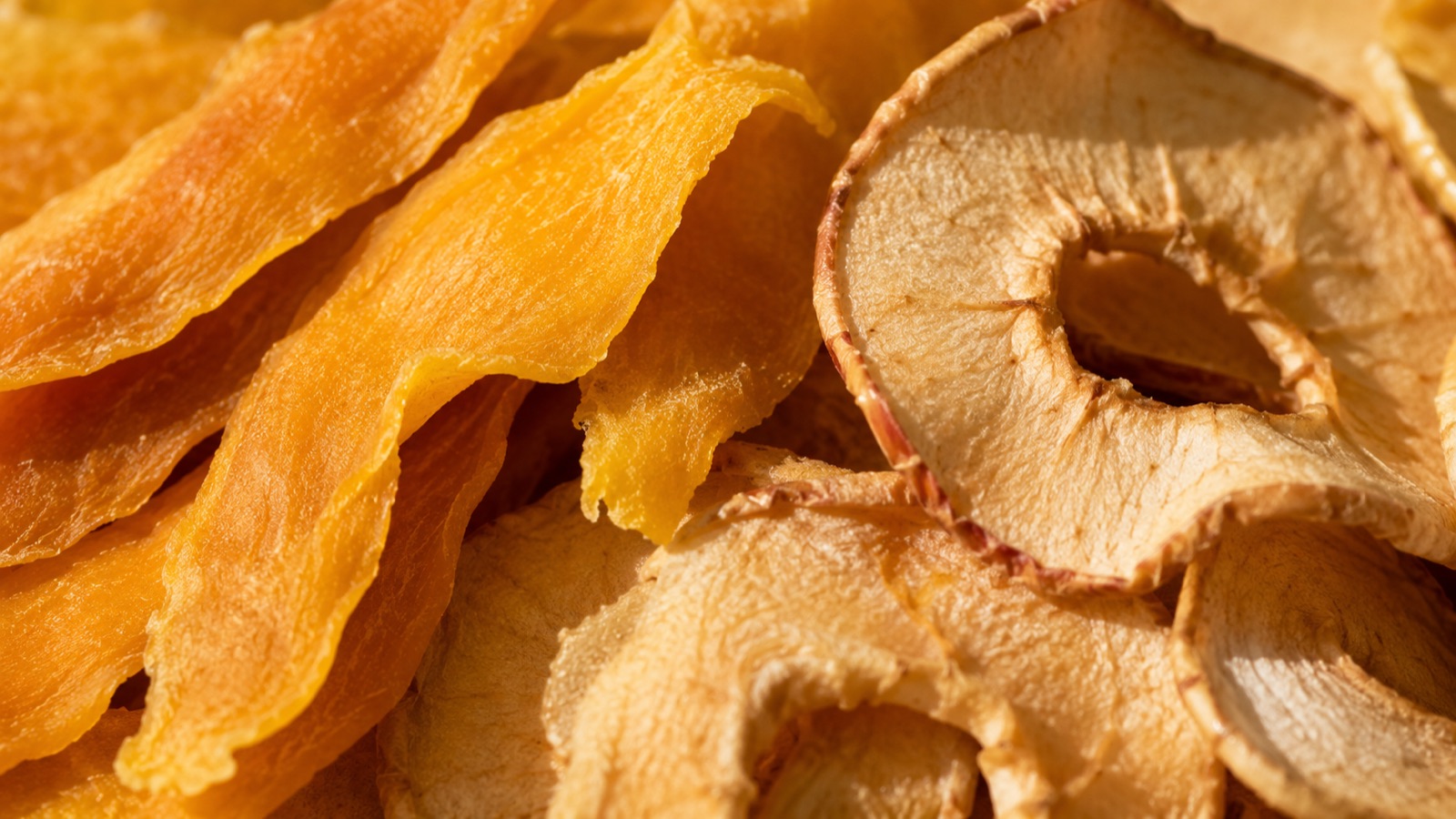
A lot of commercial dried fruit is easier to make than ours, because sugar and sulfites solve problems that slow drying alone doesn't. We've stuck with the harder version. Here's why.
What sugar and sulfites actually do
Dipping fruit in a sugar syrup before drying speeds up the process and produces a softer, chewier texture that some buyers prefer. Sulfur dioxide, used as a preservative and color stabilizer, keeps dried fruit looking bright and extends shelf life beyond what drying alone achieves. Both are legal, common, and not dangerous in the quantities used. They're also both shortcuts we've chosen not to take.
The texture tradeoff
Fruit dried without a sugar dip comes out firmer and less chewy than sugar-treated versions, closer to the texture of the fruit itself concentrated down rather than a candied version of it. Some people expect the softer, sugar-dipped texture and are surprised by ours the first time. Once you know what to expect, most people who cook or garnish with dried fruit prefer the firmer texture, since it holds its shape better in a drink or on a board instead of going soft.
The color tradeoff
Sulfite-treated dried fruit keeps a brighter, more uniform color than fruit dried without it. Our mango and apple slices have more natural variation in tone, piece to piece, because that variation is what fruit actually looks like without a stabilizer keeping every slice identical. We'd rather ship fruit that looks like fruit.
Why we don't use added sugar
Beyond the texture, added sugar changes what you're actually eating. A "dried mango" with syrup added is no longer just dried mango. We wanted the range to be something you could hand to someone and say, honestly, that it's the fruit and nothing else. That's a harder claim to make once sugar is added anywhere in the process.
What this means for shelf life
Without sulfites, our shelf life relies entirely on proper drying and sealed packaging rather than a chemical backstop. That's why we're specific about storage once a pack is open: the margin for error is smaller without a preservative doing some of that work for us, so storing it properly matters more with our fruit than with a sulfite-treated alternative.
Where you'll notice the difference most
Strawberry and pineapple show the biggest difference from sulfite-treated versions you might have tried elsewhere. Both are naturally duller and more variable in color than the bright versions common in supermarkets. That duller color is the honest one.
The tradeoff we'd make again
None of this makes our dried fruit healthier in any dramatic sense; the fruit sugar is still there regardless of what's added around it, and we've written honestly about that too in our piece on dried fruit and snacking. What it does mean is that what's in the pouch is what we say is in the pouch, nothing else, which is a simpler promise to make and a simpler one to check.
Bring Preserved
Sunshine to
Your Own Table
Ready to bring preserved sunshine to your own glass, table, or venue?